Después de que mis hijos se hayan atrevido a confesar que su partitura favorita de la saga Potter es la de Doyle para El Cáliz De Fuego, me ha dado por mirar filmtracks y resulta que el bueno de Clemmensen ha ampliado considerablemente su analisis desde la ultima vez que leí.
En MundoBSO, he mirado la reseña de Conrado, al que sorprendentemente también le parece magnífica. Y uno de los comentaristas de dicha reseña se viene arriba y suelta lo siguiente (¿una temeridad?):
Aun me cuesta creer que exista gente que no le guste este score... es la esencia de harry potter. Y porque Williams es Williams pero... Doyle le podria arrebatar el puesto si no fuera por los prejuicios que hay.
Y esto dice Conrado:
Variada y elegante creación que, sin desmerecer lo creado por John Williams, de quien se recoge referencias al brillante tema principal, se diferencia por su tono puramente británico, homenaje a lo mejor en la tradición sinfónica inglesa, con suntuosidad, refinamiento, elegancia y cuidada elaboración. Su apabullante belleza se evidencia en un antológico vals, entre otros brillantes temas que no son ensombrecidos, en todo caso, por la inexplicable inclusión de horrendas canciones al final.
La parte en negrita es la que me resulta más interesante. Ciertamente, lo que tenemos aquí es un Doyle sin adulterar, abrazando completamente (yo diría que hasta altivamente), su clasicismo y exhibiendo poderío melódico british en una película USA de una franqucia multimillionaria.
Contra todo pronostico, la libertad que le concede Warner es total y Newell le da vía libre para que pueda explayarse con un registro temático absolutamente portentoso, brillante, esplendoroso y bellísimo, que narrativa y descriptivamente eleva muchísimo la película. Un trabajo espectacular, a caballo entre el dramatismo desaforado de Frankenstein, el romanticismo fatalista de Dead Again, la belleza melódica de Hamlet, y el sense of wonder de Shipwrecked. Una verdadera pasada. A ver si editan las 2 horas diez de su partitura completa, aunque los 65 de score de la edición actual están pulcramente escogidos. Como en Frankenstein, Doyle renuncia a sintetizadores y a voces y simplemente se dedica a sacarle todo el partido posible a la Sinfónica de Londres, que quedó bastante impresionada con la suntuosas y coloristas orquestaciones.
El exito de la partitura puede deberse a que no abandona el fuerte enfoque melódico en ningún momento, obviando la incidentalidad y atonalidad incluso cuando ha de reflejar oscuridad y terror (Voldemort y sus secuaces). Sirva de ejemplo el siguiente corte, que parece sacado de Carlito´s Way, y donde casi cualquier otro compositor hubiese optado por el acompañamiento atmosférico. Al mismo tiempo, su escritura diafana, enfática y transparente, que guarda similitudes con la nada ambigua manera de componer de Bernard Herrmann, permite que el aficionado la pueda seguir y entender facilmente, sin partes aridas o de dificil escucha, embriagado por el fuerte componente emocional.
Herrmann (Dead Again):
Pero volvamos a la reseña de Clemmensen, dejo extracto:
(...)
"
Here, Doyle remains firmly rooted in his classicaly-inclined scores of Branagh fame, with the creativity shining through in the motifs he creates for the two visiting schools and the Tri-Wizard Tournament, as well as the Irish and Bulgarian influences for the dazzling Quidditch World Cup early in the picture. The latter is simply a spectacular piece, opening with an Irish Jig consisting of beating drums and a full string section, and leading to a base-string and brass ripped rhythm under forceful male chants.
Doyle introduces two new themes for Goblet of Fire, including the slowly rising series of notes for Voldemort that eventually turns downward in a heavy minor in most performances. This theme wastes no time making itself known at the outset of the score, with Doyle bypassing the opening music box cuteness of the first scores and getting to business with a harsh brass rhythm immediately. Doyle hints at the Voldemort theme in "The Dark Mark" and eventually lets it loose during the final confrontation. The other new theme Doyle clearly identifies is one for Harry himself, which is something that John Williams never really accomplished. The most interesting aspect of this theme is its genuinely sincere English sound, taking veteran film music ears back to the beautiful innocence of Sense and Sensibility.
The concert piece for this theme is "Harry in Winter," a cue cut abrupty short in the film but serving as a magnificent piece on album. Important to note is that both of these themes are primarily rooted in the upper ranges of the string section, perhaps due to Doyle's own tendencies in his thematic writing (there's even similarities here to the great theme heard during the aerial-shot car ride sequences in Bridget Jones' Diary), but it would be far more intriguing if Doyle made a conscious decision to link the two themes in instrumentation due to the inherent connections in the story between the Harry Potter and Tom Riddle characters. But if you're a fan of Doyle's intensely darker side, with scores such as Mary Shelley's Frankenstein and Needful Things at the forefront of your CD racks, don't despair. Doyle's underscore for the action and suspense sequences in Goblet of Fire, whether in fanfare form or in brutally rhythmic progressions, will blow you away with its intensity. The "Voldemort" cue could, for example, remind you of Trevor Jones' pounding battle sequences in Dark City. Aided by sometimes vicious performances by the resoundingly deep ensemble, Doyle has superbly captured the fright, anger, and victorious exuberance necessary in each circumstance, providing not only an effective score, but an immensely interesting one as well.
The comedy cues in Goblet of Fire may not be as overwhelming, but then again they never really were in Williams' scores either (even with the technical mastery in music such as that for the Knight Bus, it still can't beat the simple elegance of Buckbeak's theme, for instance). Doyle's little waltzes and hymns are incorporated directly into the film as source music, and the music for the wretched reporter, Rita Skeeter, is an extension of the lightly prancing music of Calendar Girls. This isn't magnificent material, but it suffices to the degree that once again,
it comes from the appropriate perspective of an English composer for an English setting".



 ..?


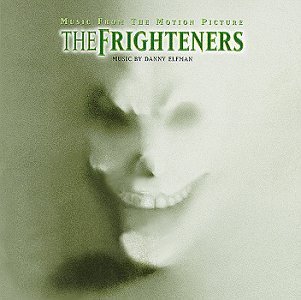
 . Cuando tengo tiempo de ver una película, no tengo ganas, y cuando tengo tiempo y ganas no me apetece comentarla
 ) ésta The Frighteners, que en España recibió el curioso título de Agárrame ésos Fantasmas. La vi hace siglos, y hace no mucho descubrí que por alguna extraña razón, confundo el final de ésta con la de


